
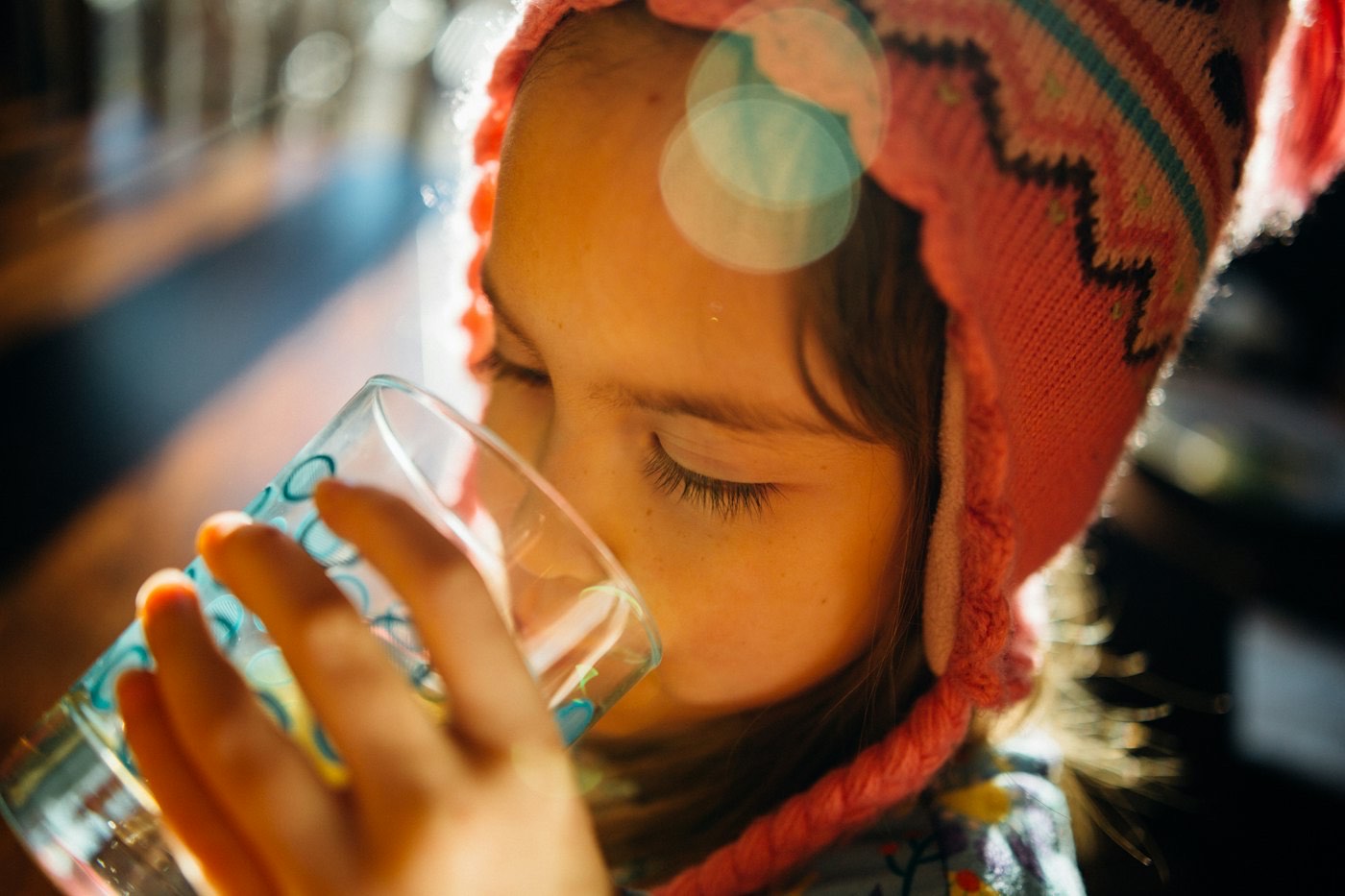
A few simple checks can tell you a lot about the water your kids drink every day.
Why kids are different
Children drink more water for their size than adults do, and they're still growing. That's why health agencies pay special attention to water quality for babies and kids, and why it's worth knowing what's in your home's water.
What's worth checking
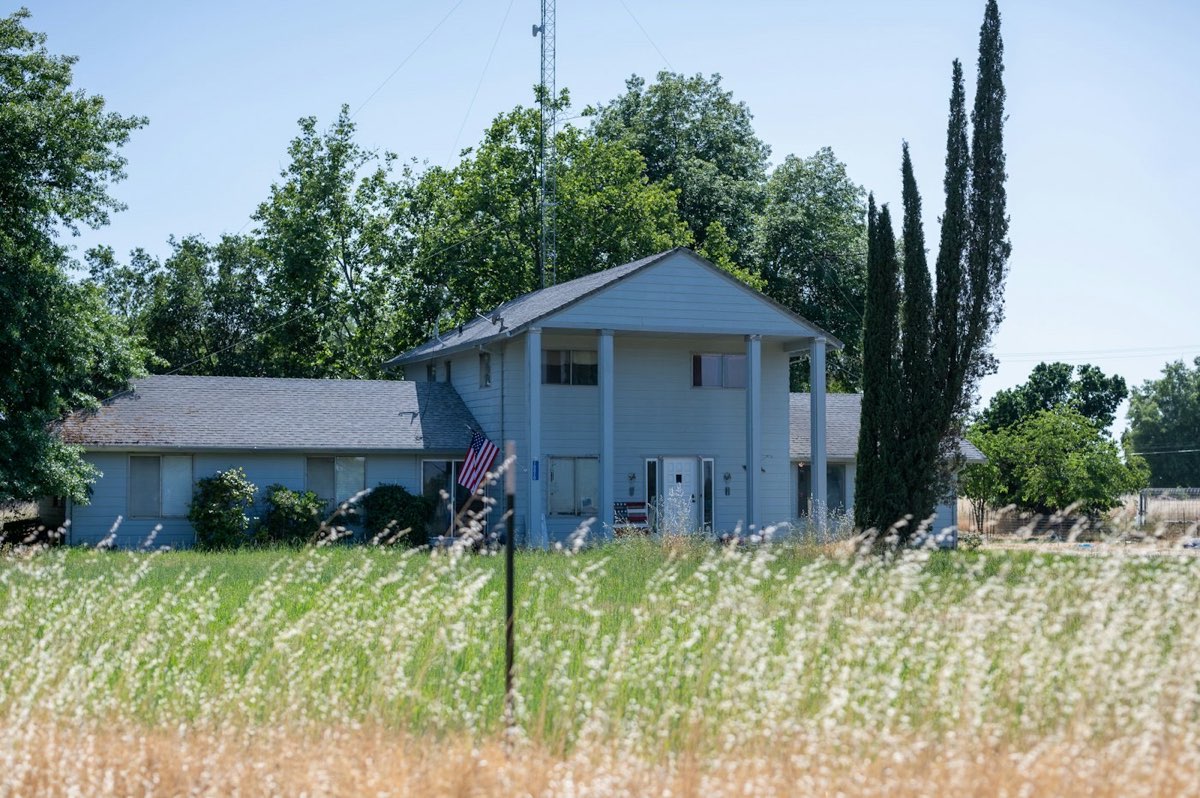
If your home was built before 1986, the pipes may have lead solder. You can't see, smell or taste lead, so testing is the only way to know. If you're worried about it, have your water checked by a certified lab.
If you're on a well, it should be tested regularly for bacteria and nitrates, especially with a baby in the house.
Pay attention to taste, too. Kids who don't like how the water tastes tend to drink less of it and reach for sugary drinks instead. And at bath time, chlorine and hard water can leave sensitive skin dry and itchy.
Simple steps
- Test your water, so your decisions are based on facts instead of guesses.
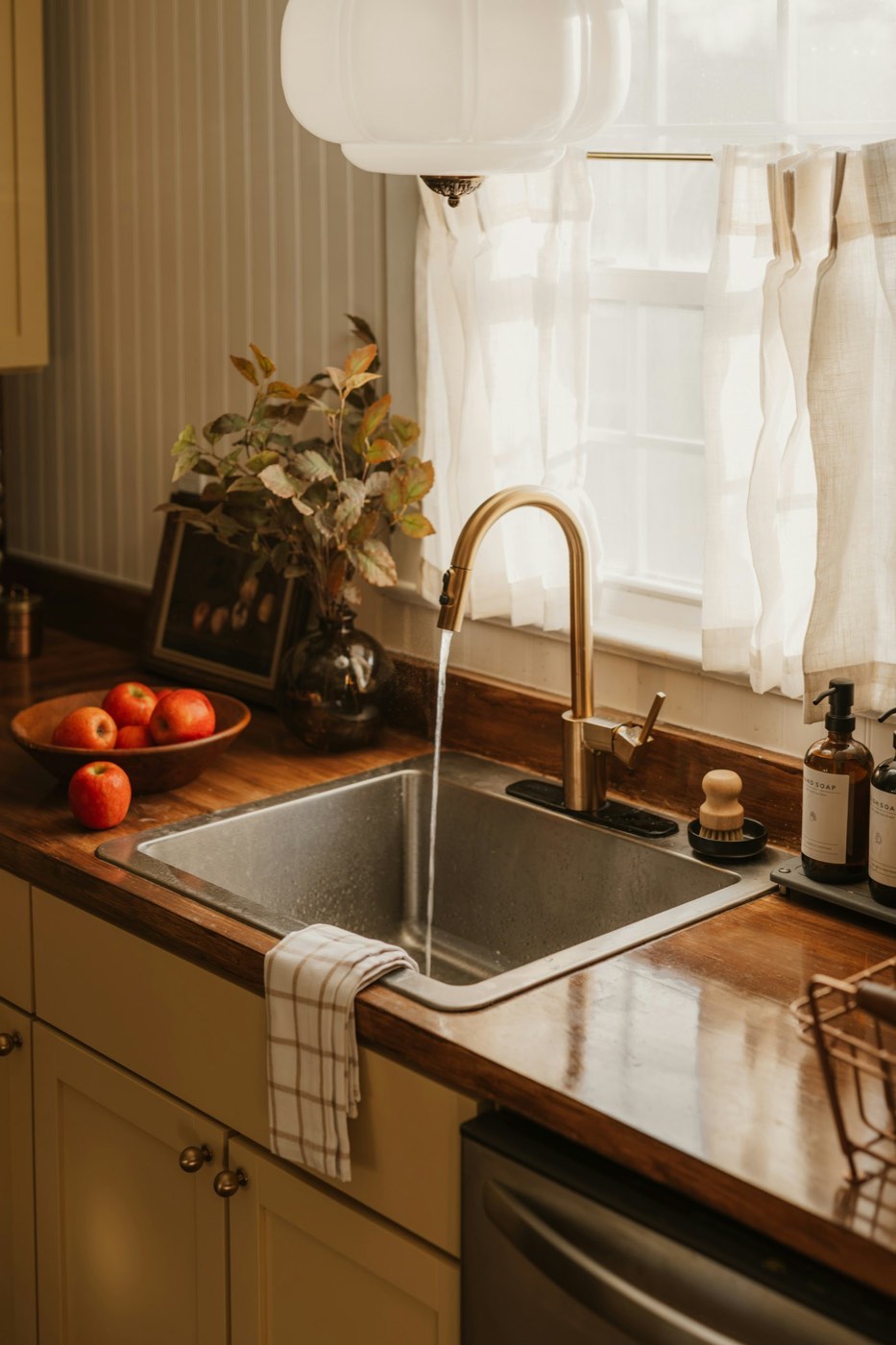
- Use filtered water for drinking and cooking, like a reverse osmosis system at the kitchen sink.
- Think about whole-home filtration for gentler showers and baths.
- Keep up with filter changes. A filter only works if it's changed on time.
- Keep a cold pitcher of filtered water in the fridge so water is the easy choice.
Get your water tested
Book a free in-home water test and we'll go through your results with you, one by one.
Find out what's in your water. Free.
Our free in-home water test takes about 30 minutes, with no obligation. We'll explain your results and show you your options.