
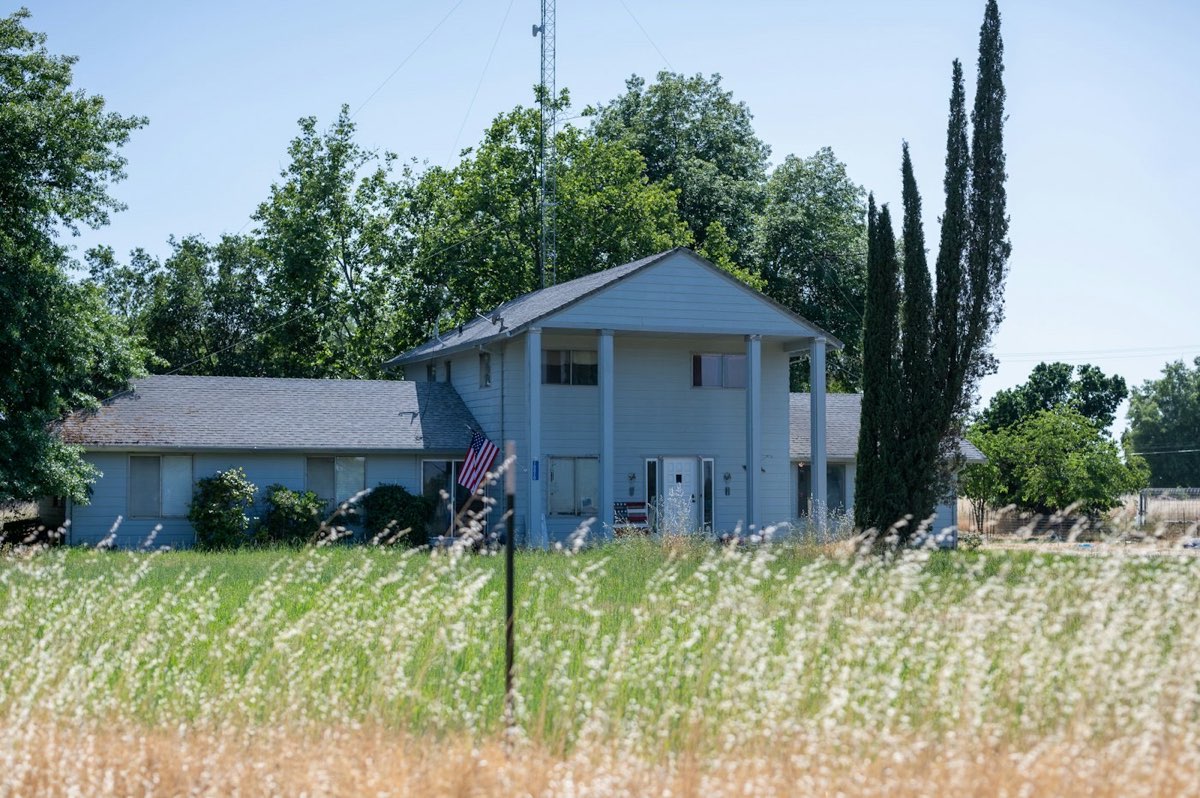
Thousands of homes, ranches and farms across Northern California run on private wells. The big difference from city water is simple: no one is testing it for you.
Public water systems are regulated and tested on a schedule. Private wells aren't covered by the same federal drinking water rules, so keeping the water safe is up to the owner.
What can show up in well water
- Bacteria such as coliform, which can get in through a cracked well cap, flooding or a nearby septic system
- Nitrates, often tied to fertilizer and farming, and a known concern in parts of the Central Valley
- Arsenic and other elements that come naturally from the surrounding rock
- Iron and manganese, which leave orange or black stains and a metallic taste
- Hydrogen sulfide, the cause of that rotten egg smell
- Sediment and hardness, which clog fixtures and build up scale
Why one old test isn't enough
Your well water today may not match what it was five years ago. Drought, heavy rain, changes in nearby land use and an aging well can all change what's in it.
Treating a well
Every well is different, so there's no one fix that works for all of them. A good system is built around your test results. Depending on what we find, it might combine sediment filtration, iron and sulfur treatment, softening or conditioning, and UV to deal with bacteria.
We test first, explain what we find, and design the system for your well. If anything in the results needs a certified lab, we'll tell you so you can follow up.
Find out what's in your water. Free.
Our free in-home water test takes about 30 minutes, with no obligation. We'll explain your results and show you your options.